


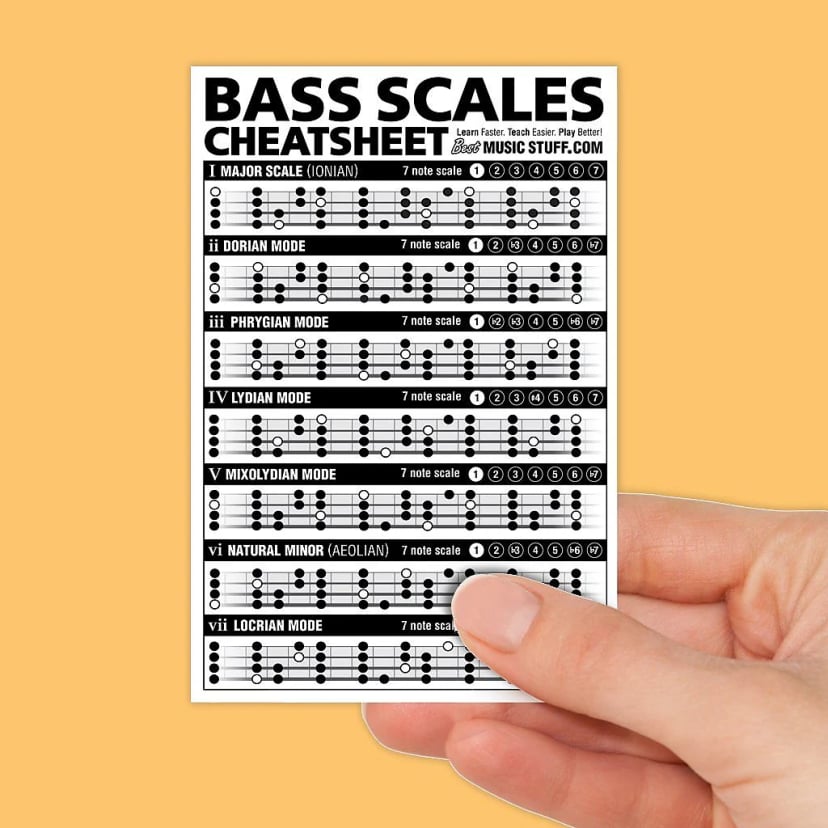






“This one-of-a-kind download is an incredibly powerful triads resource for guitar players, teachers and songwriters. The PDF contains the Major Triads.”
Verified Customer
Interactive music learning techniques are transforming how students of all ages develop their musical skills. Unlike traditional methods, these techniques emphasize active participation, instant feedback, and personalized learning pathways. They are designed to keep students motivated, improve retention, and encourage creative exploration. By integrating technology and innovative teaching tools, educators and learners can experience more dynamic and effective music education.
Interactive music learning techniques focus on engaging students actively during their practice and lessons. This approach leverages visual aids, hands-on activities, and digital resources to make music theory and instrument mastery more accessible. These techniques facilitate a deeper understanding of musical concepts by encouraging students to experiment and apply teaching tools in real-time. They are particularly effective for varied learning styles and can be adapted for individual or group instruction.
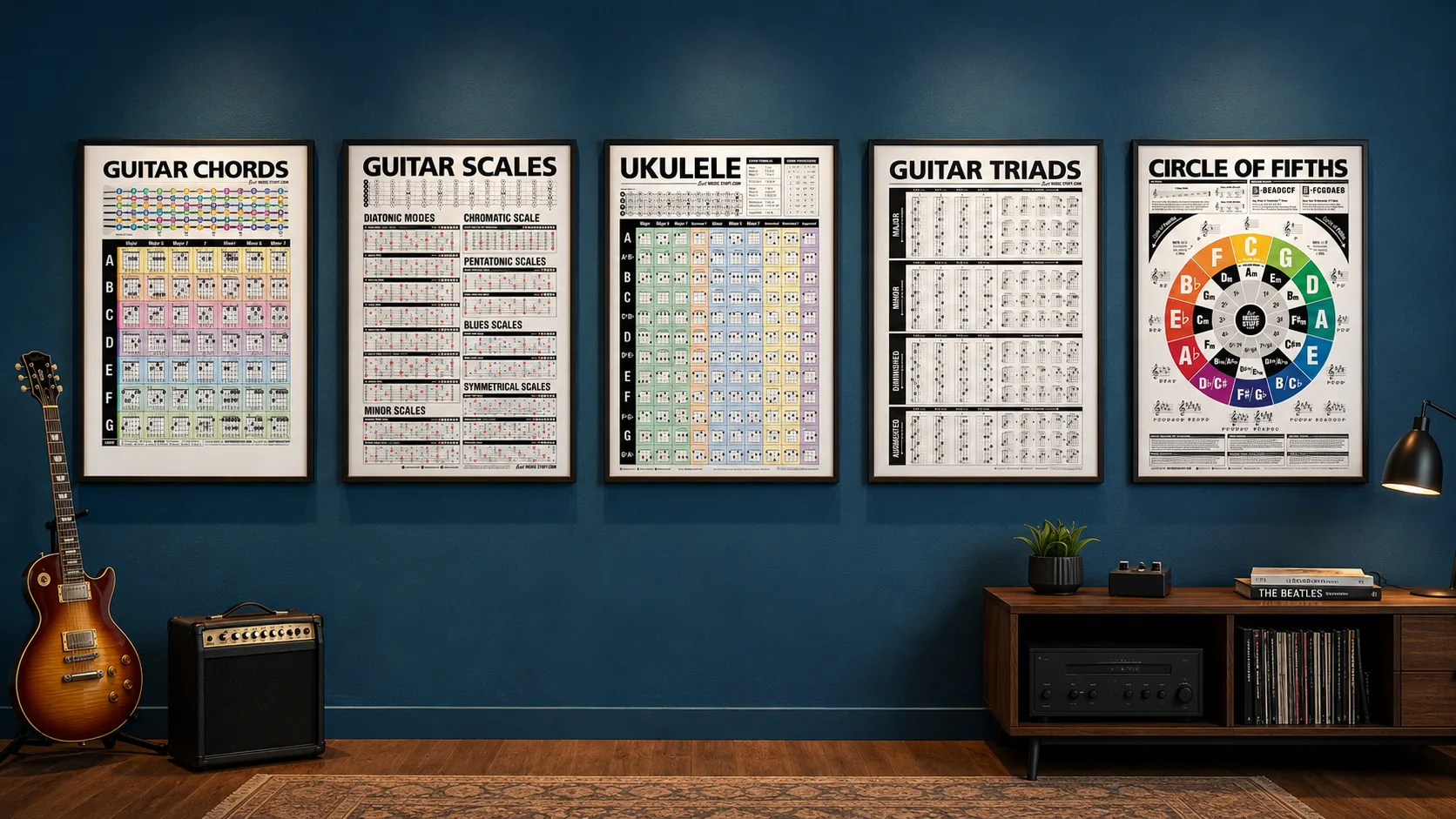
Such methods include the use of dry-erase posters for practicing chords and scales, interactive video lessons for technique development, and downloadable PDFs that clarify complex theories. These resources support a multi-sensory learning experience, which is proven to improve comprehension and memory. For music teachers, incorporating interactive techniques can make lessons more engaging and tailored to each student's needs, fostering a lifelong love for music.
To maximize the benefits of interactive music learning techniques, teachers should start by assessing their students' preferred learning styles. Incorporating visual aids like the ultimate guitar reference poster or the creative ukulele poster can significantly enhance理解. Next, educators can introduce digital resources such as interactive video lessons or downloadable PDFs to create a multi-faceted learning environment. Encouraging students to use dry-erase posters for practice and note-taking helps reinforce learning through repetition and visual memory.
Using these guides as part of a structured lesson plan allows educators to introduce concepts gradually while maintaining student interest. It’s also beneficial to incorporate active learning sessions where students can experiment with scales, chords, and techniques using these tools. Regularly updating and varying resources keeps the learning experience fresh and challenging, promoting continuous improvement.
By adopting these interactive techniques, instructors can cultivate a lively classroom atmosphere that motivates students and encourages a hands-on approach. This dynamic environment promotes faster learning, deeper understanding, and greater enjoyment of music.
Over time, integrating these educational resources helps build student confidence and independence in practice, setting a foundation for lifelong musical growth.
In summary, effectively using interactive music learning guides entails selecting appropriate tools, encouraging active participation, and continuously adapting lessons to fit students' evolving skills and interests.
Engaging with these methods ensures a more compelling, enriching, and successful music education journey for students and teachers alike.
[end of content]
bodyLinks: [{
phrase
href
description
path
external
external
},{
phrase
href
description
path
external
external
},{
phrase
href
description
path
external
external
},{
phrase
href
description
path
external
external
},{
phrase
href
description
path
external
external
},{
phrase
href
description
path
external
external
},{
phrase
href
description
path
external
external
},{
phrase
href
description
path
external
external
},{
phrase
href
description
path
external
external
},{
phrase
href
description
path
external
external
},{
phrase
href
description
path
external
external
},{
phrase
href
description
path
external
external
/products/guitar-resources/creative-guitar-poster-dry-erase
},{
phrase
href
description
path
external
external
},{
phrase
href
description
path
external
external
},{
phrase
href
description
path
external
external
Support effective learning with posters and charts.
Utilize dry-erase posters and tactile resources.
Maximize engagement with videos and PDFs.
Adapt resources to suit various learning levels.
Use interactive tools for feedback and improvement.
Keep students motivated with creative aids.