


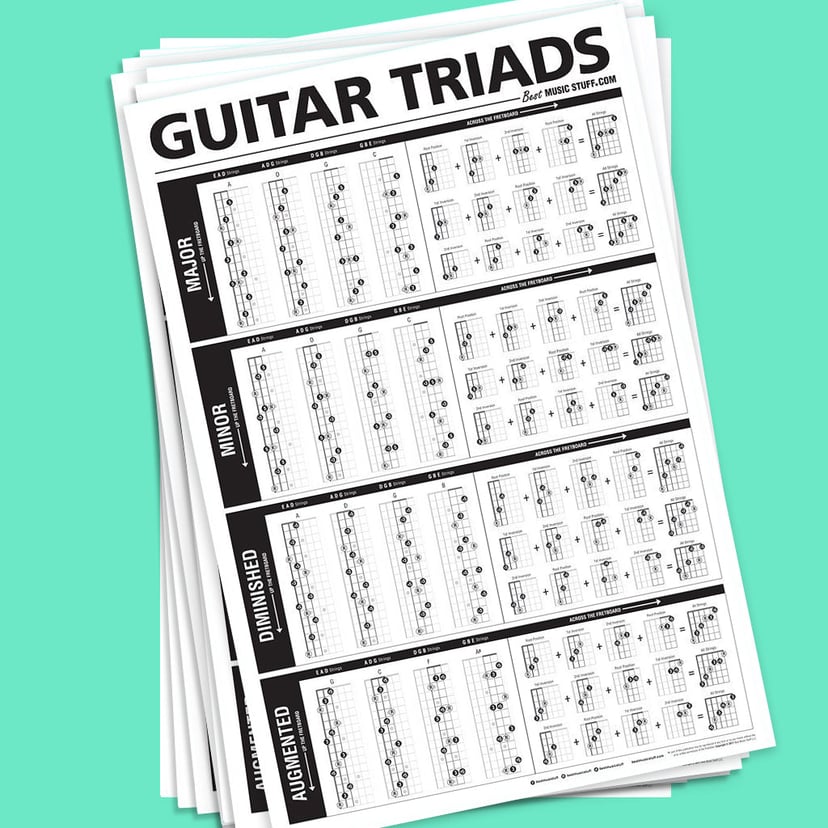






“This one-of-a-kind download is an incredibly powerful triads resource for guitar players, teachers and songwriters. The PDF contains the Major Triads.”
Verified Customer
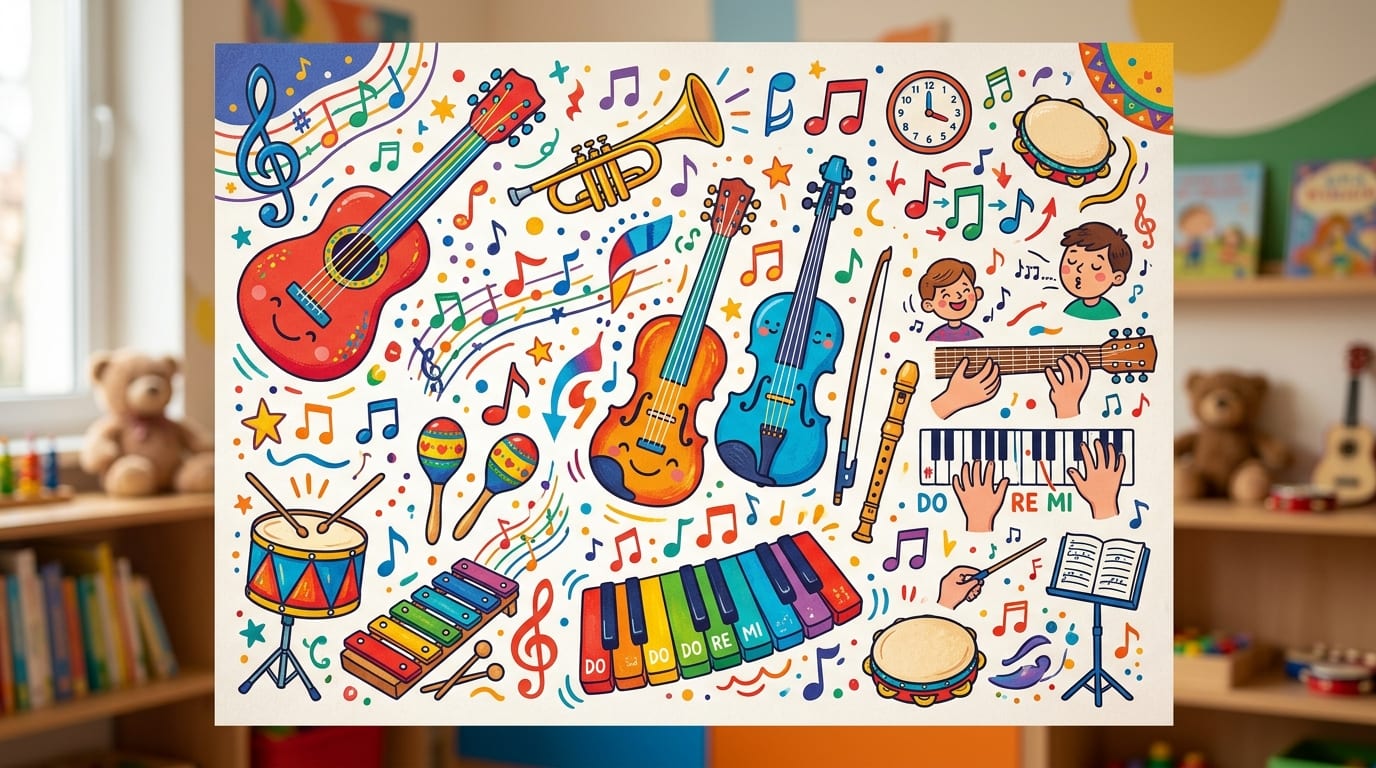
Music education lays a strong foundation for children to explore creativity. Among the essentials, rhythm plays a pivotal role in their musical journey. Understanding rhythm enhances a child's ability to perform, compose, and appreciate music more deeply. It serves as the backbone for learning intricate patterns and developing coordination.
Rhythm is the heart of music, vital for every melody and harmony. It dictates the pace and flow, helping children grasp the timing and structure of a piece. By mastering rhythm, young musicians can confidently interpret and perform varied musical genres.
For children, grasping rhythm early can significantly boost their overall academic performance. Studies show a clear link between music education and improved mathematical skills due to the pattern recognition involved in rhythm. This foundational skill not only enhances their musicality but also fortifies cognitive abilities.
Breaking down rhythm into its core elements helps children understand complex compositions. Key components include beats, meter, and tempo. Each element introduces new challenges and learning opportunities, such as clapping to the beat or recognizing tempo changes.
Counting beats helps children understand the structure of music. Simple exercises, such as clapping along to their favorite songs, make rhythm practice accessible and enjoyable. These activities lay the groundwork for tackling more advanced rhythm patterns.
The ability to keep time and maintain rhythm is essential for group performances. Young musicians learn the importance of cooperation and listening to others, crucial skills for ensemble settings. This collaborative aspect of rhythm instills discipline and teamwork.
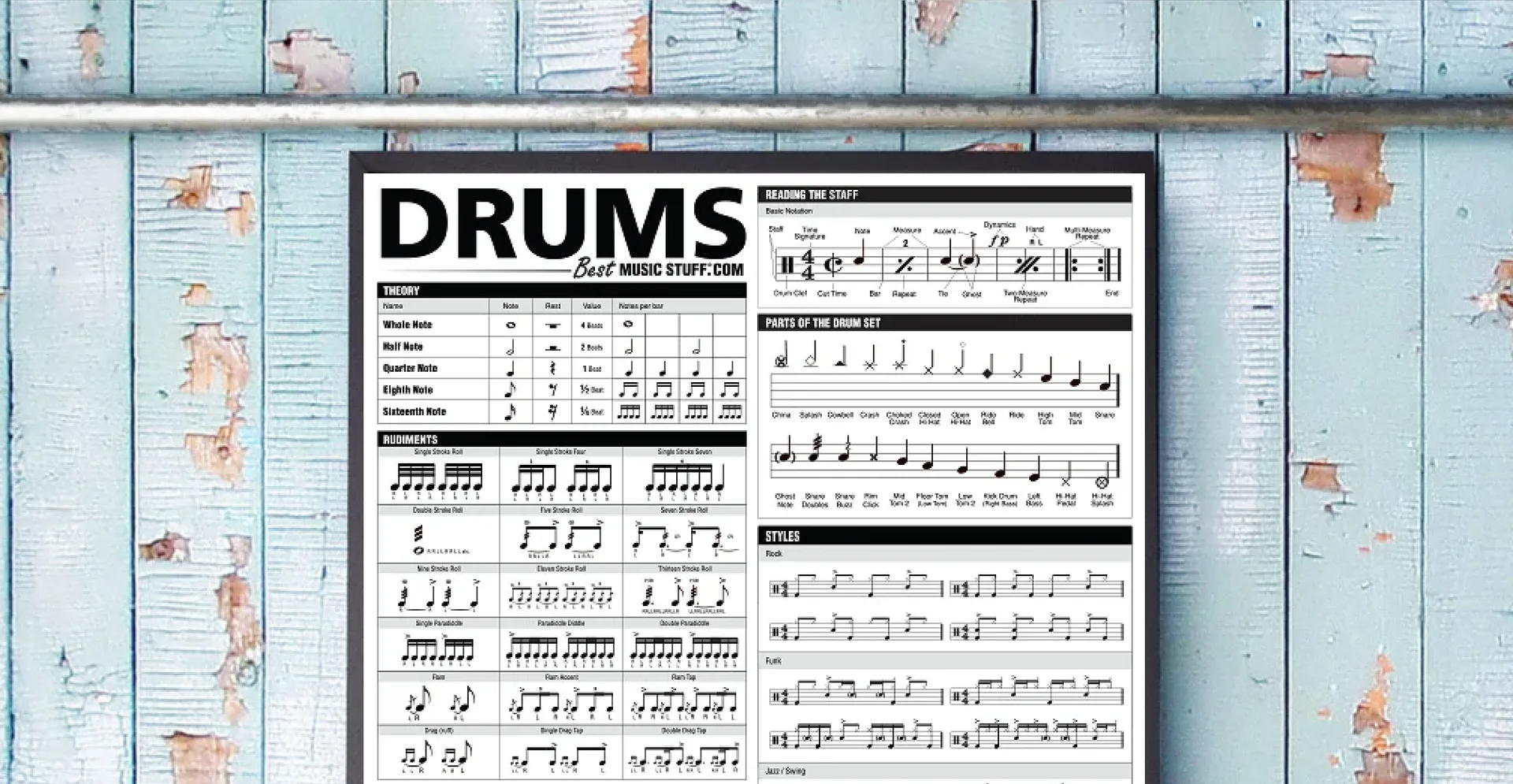
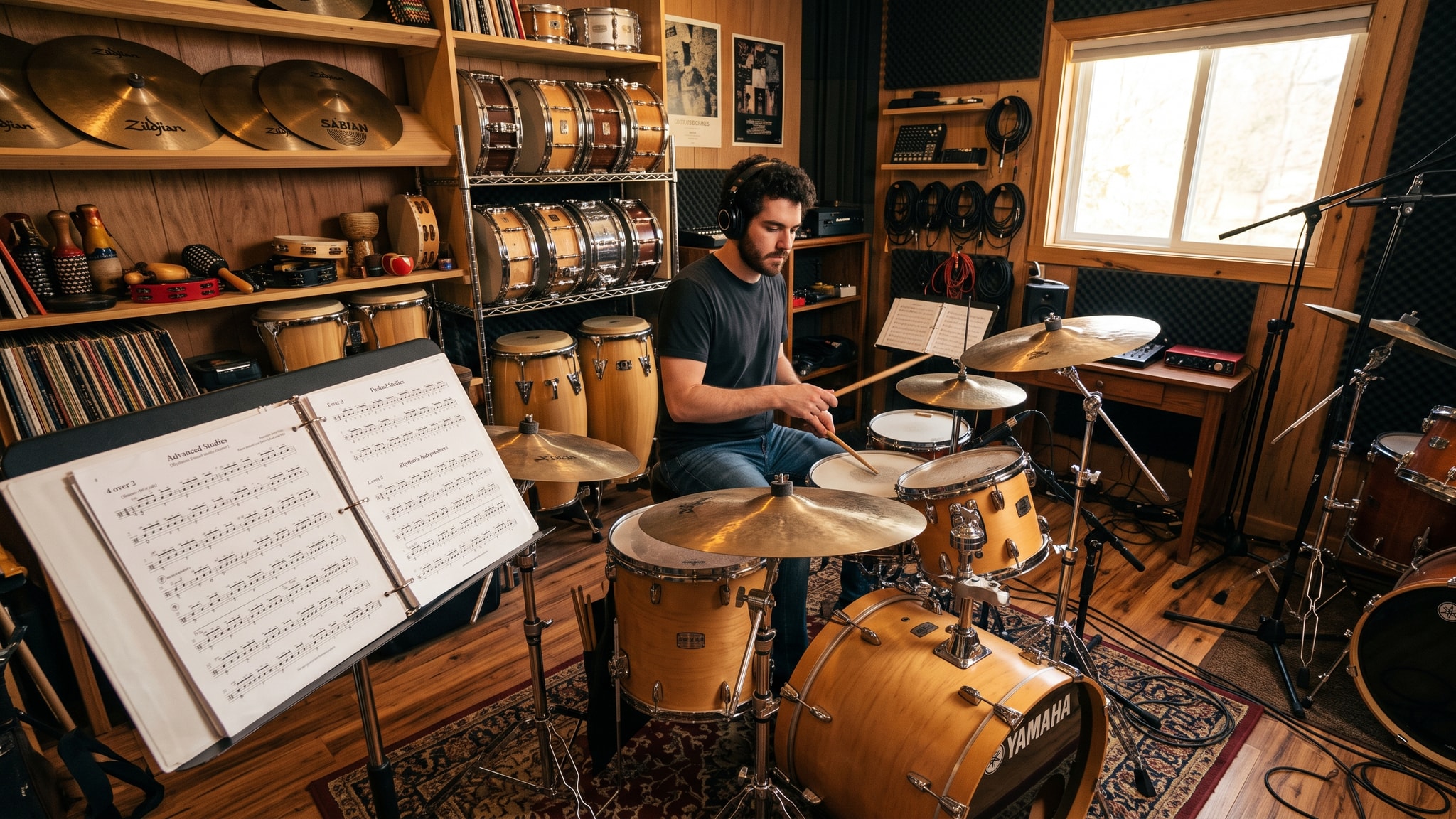
Rhythm also plays a crucial role in drum resources. Drumming is an excellent way for children to explore rhythm through engaging, practical exercises.
Implementing rhythmic exercises at home can strengthen children’s skills. Encourage practice with a variety of drum reference poster downloads to keep them engaged.
Structured rhythm exercises contribute to a deep sense of musicality. They guide young musicians in expressing emotions and narratives through music. The ability to maintain consistent rhythm enhances their improvisational skills, allowing more freedom and creativity in musical expression.
Best Music Stuff ® offers a variety of educational tools designed for rhythmic learning. Products such as the Creative Drum Poster (Dry-Erase) provide interactive methods for learning.
Another popular resource includes the guitar scales cheatsheet download, which integrates rhythm into guitar practice, helping children grasp complex musical concepts efficiently.
Engage young musicians with fun and effective practice strategies. Use clapping exercises to internalize beats, and gradually introduce more complex patterns. Interactive learning tools, like those found in our guitar resources, can be invaluable.
Encouraging Consistent Practice
Harnessing rhythm in music education not only boosts musical skills but also enriches personal development. With consistent practice and the right resources, children can unlock their full potential as musicians. Embrace rhythm as a fundamental aspect of learning, providing endless opportunities for creativity and growth.
Enhance rhythmic skills with interactive exercises.
Innovative tools to help children explore rhythm creatively.
Resources for rhythm in guitar playing.
Comprehensive guides for effective practice.
Explore rhythm with ukulele learning tools.
Vital resources for mastering drum rhythms.